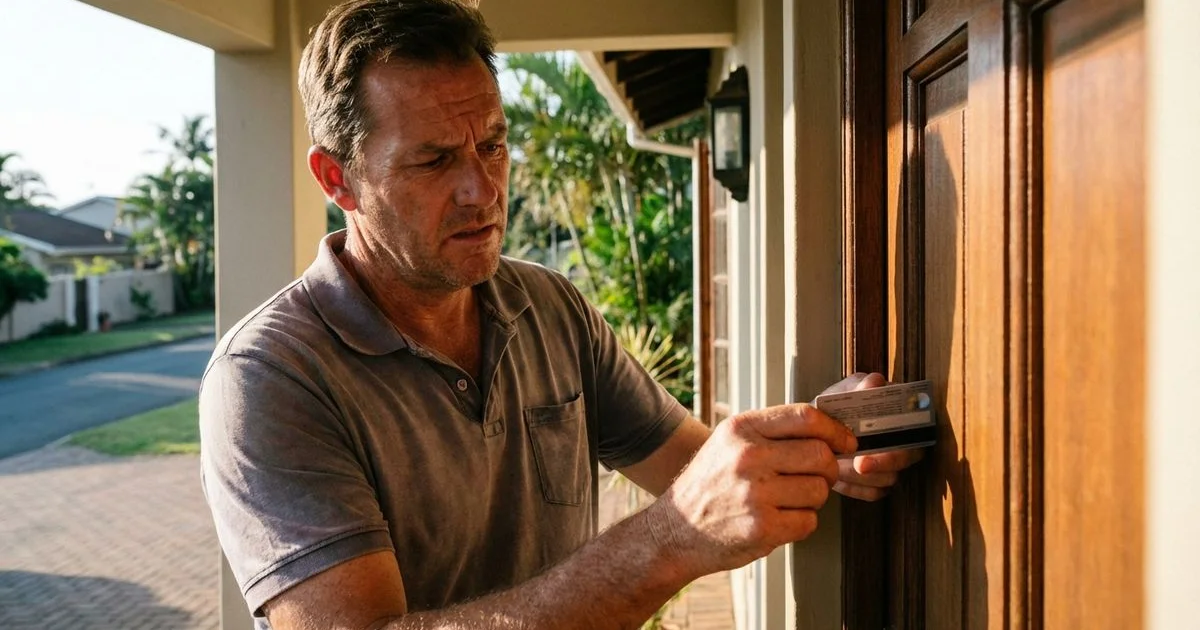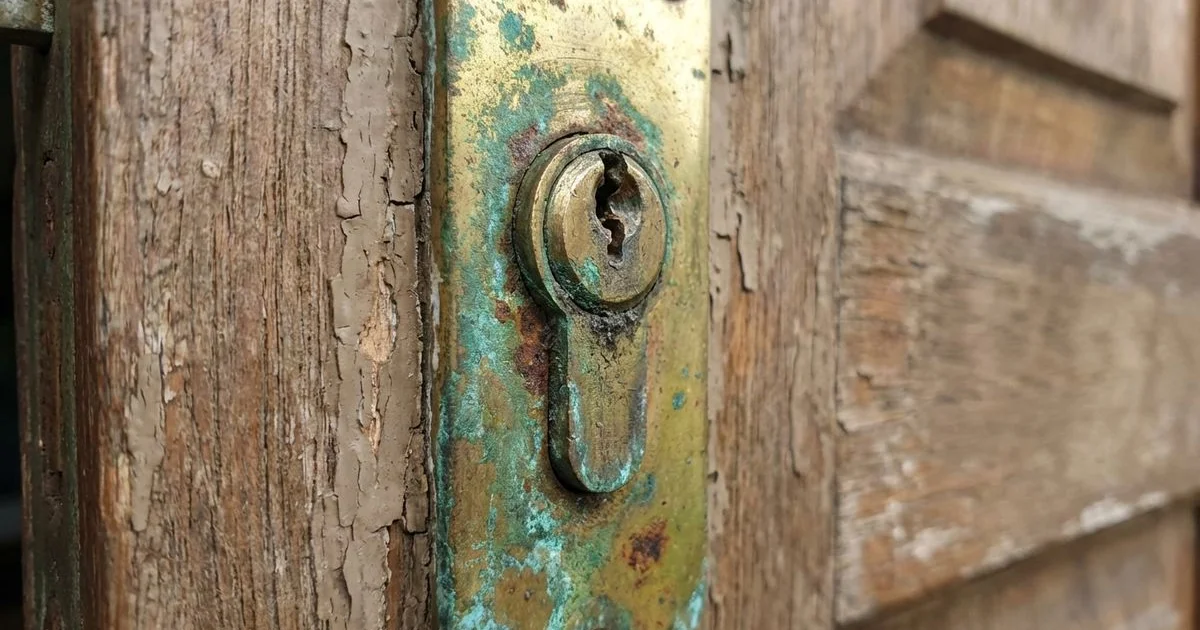
We see it constantly here on the KZN North Coast. Salt air and humidity work silently to degrade security hardware long before a mechanism actually breaks. The reality is that your front door lock serves as the primary barrier between your family and potential intruders.
Most homeowners only think about their locks when the key refuses to turn. A proactive approach is the only way to ensure your home remains secure against the opportunistic crime we see in areas like Ballito and Salt Rock.
We have identified the five most critical indicators that your security hardware is past its prime. This guide outlines exactly what to look for and the specific steps you should take to address each issue.
1. Your Key Is Difficult to Turn or Gets Stuck
We often hear clients describe a “crunchy” feeling when they try to unlock their front door. This resistance usually indicates that the internal pin tumblers have worn down or that salt accumulation has corroded the springs. A key that requires jiggling or excessive force is a clear signal that the mechanism is failing.
You might be tempted to force the key, but this often leads to the key snapping off inside the cylinder. The humid coastal environment accelerates this wear by introducing moisture into the keyway, which then mixes with dust to form a grime that clogs the pins.
What to do: We recommend using a dry graphite powder, such as Spanjaard, to lubricate the keyway immediately. Never use oil-based products like Q20 or WD-40 for this specific task. These oils attract fine coastal sand and dust, creating a sticky paste that will permanently jam the lock. If graphite does not resolve the stickiness, the internal components are likely too worn for repair.
A lock that is difficult to operate is also a lock that may fail to open during an emergency lockout. Do not ignore this warning sign.
2. The Lock Cylinder Moves or Wobbles
We check the stability of the cylinder first when inspecting a door for security vulnerabilities. The lock should sit firmly in the door furniture without any play or rotation. If you notice the cylinder wiggling when you insert your key, the retaining screw (often called the grub screw) has likely loosened.
A loose cylinder is a serious security risk because it makes the lock vulnerable to “snapping.” This is a common entry method where burglars use force to snap the protruding cylinder to gain access to the internal mechanism.
What to do: Our team advises checking the faceplate screws on the side of the door and tightening them. If the cylinder still wobbles after tightening, the internal housing may be damaged. You should have a professional assess whether the lock needs a security escutcheon or a complete replacement to prevent cylinder snapping.
3. Visible Rust, Corrosion, or Physical Damage
We cannot overstate how aggressive the Dolphin Coast climate is on standard metal hardware. Locks that are not specifically rated for coastal use will begin to corrode within months of installation if they are within 2km of the sea.
You should inspect your locks monthly for these specific signs of failure:
- Pitting: Small holes or rough spots on the chrome or brass finish.
- Green Patina: A sure sign that the internal brass or zinc components are reacting with salt air.
- Seized Latches: The spring latch moves slowly or does not pop back out fully.
- Discolouration: Dark spots appearing on the strike plate or deadbolt.
A corroded lock is not just an eyesore. Rust weakens the structural integrity of the deadbolt, meaning a solid kick could shatter the metal rather than holding the door shut.
What to do: We strongly suggest upgrading to locks manufactured from 304 or 316 marine-grade stainless steel. These materials are engineered to withstand the high salt content of our local air. A standard zinc-alloy lock will simply not last in this environment.
Comparison: Standard vs. Coastal Locks
| Feature | Standard Zinc/Brass Lock | Marine-Grade Stainless Steel (304/316) |
|---|---|---|
| Corrosion Resistance | Low (Rusts quickly in humidity) | High (Resists salt spray) |
| Typical Lifespan (Coastal) | 2-4 Years | 10+ Years |
| Maintenance Needs | Frequent lubrication required | Occasional cleaning |
| Security Risk | Weakens as metal corrodes | Maintains structural integrity |
4. Your Lock Is an Outdated Model
We find that many older homes in the area still rely on two-lever or three-lever mortice locks on external doors. These older locking mechanisms do not meet current SABS standards and are often easy to bypass using simple picking tools or force.
Insurance policies in South Africa often have specific requirements for external doors. Many insurers require a minimum of a five-lever mortice deadlock or a cylinder lock with a specific security rating. If you claim for a break-in and your locks do not meet these standards, your claim could be rejected.
What to do: Our advice is to check your insurance policy schedule to verify their specific hardware requirements. You should consider upgrading to a high-security cylinder as part of a complete residential security overhaul that features anti-pick, anti-drill, and anti-snap protection. Brands like Cisa, Yale, or Union offer high-security ranges widely available in South Africa that meet these strict criteria.
Many insurance companies in South Africa offer reduced premiums for homes fitted with approved high-security locks. Check with your insurer to see if an upgrade could save you money.
5. You Have Lost Track of Who Has Copies of Your Key
We always ask new homeowners if they know exactly how many keys exist for their property. The answer is almost always “no.” Keys are frequently handed out to contractors, domestic workers, or previous tenants and never returned.
Security is compromised the moment you lose accountability for your keys. Unlike a keypad code that you can change in seconds, a physical key is a permanent pass to your home until the lock is changed.
What to do: We recommend rekeying your locks if the hardware is still in good condition. Rekeying involves changing the internal pins so that old keys no longer work, and you receive a fresh set of keys. This process is significantly more cost-effective than replacing the entire lock body and hardware.
How Often Should You Replace Your Locks?
We generally advise reviewing your security hardware schedule based on usage and environment. While a lock in a dry inland area might last 15 years, our coastal conditions demand a stricter replacement cycle. You can read our full guide on how to maintain locks in a coastal environment for more detail.
Consider these guidelines for timing your replacements:
- Immediate: After any break-in attempt or lost keys.
- Every 5-7 Years: For standard locks in coastal zones due to salt corrosion.
- Upon Moving In: To ensure no previous owners have access.
- Insurance Changes: When your policy requirements become stricter.
The Cost of Waiting
We have seen too many cases where a homeowner delayed a R1,500 lock upgrade only to suffer a burglary resulting in R50,000 worth of losses. The cost of a professional lock installation is a fraction of the potential loss from a break-in.
Proactive maintenance is the smartest investment you can make for your property. A secure home provides peace of mind that carries a value far beyond the price of the hardware itself.
Take Action Today
We encourage you to inspect your doors this weekend using the checklist above. If you spot the signs of rust, sticking, or wobbling, it is time to act before the mechanism fails completely.
Contact a certified locksmith to discuss your options. A professional assessment will ensure you get the right marine-grade hardware for your specific location and security needs.